
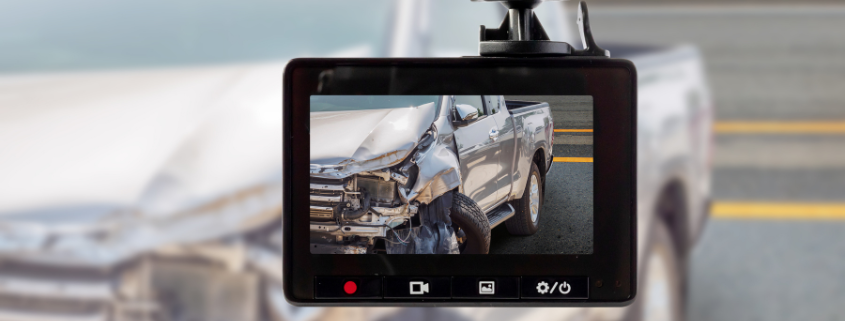
The Role of Dashcam Footage in Proving Fault in an Alabama Car Crash
The moments following a vehicle collision are often a blur of confusion. Adrenaline spikes, memories become hazy, and the narrative of what happened can shift rapidly. In the past, determining liability often devolved into a frustrating “he said, she said” debate between drivers. Today, the prevalence of dashboard cameras—or dashcams—has fundamentally altered how we approach evidence in personal injury cases.
For residents of Alabama, where traffic laws regarding fault are exceptionally strict, objective video evidence is more than just a convenience. It is a vital tool for protecting your rights. Whether you are navigating the heavy truck traffic on I-65 or commuting through downtown Mobile, a video record acts as an impartial witness that never blinks and never forgets.
Why Objective Evidence Matters in Alabama
To appreciate the value of dashcam footage, you must first look at the unique legal landscape of our state. Alabama is one of the few remaining jurisdictions in the United States that applies the doctrine of pure contributory negligence.
Under this severe legal standard, if an injured party is found to be even slightly at fault—even one percent—for the accident, they may be completely barred from recovering compensation. Insurance adjusters are well aware of this rule. Their primary defense strategy often involves shifting a tiny fraction of the blame onto you to avoid paying the claim entirely.
Without video evidence, an adjuster might argue that while their driver ran a red light, you were speeding or failed to keep a proper lookout. In a verbal dispute, this tactic is often effective. However, high-definition video that shows you maintaining your lane, traveling at the speed limit, and reacting appropriately can dismantle these defenses instantly.
Types of Dashcam Evidence and What They Capture
Not all recording devices offer the same utility in a legal setting. The hardware has evolved significantly, offering various perspectives that can clarify different aspects of a crash.
- Front-Facing Cameras: These are the most common units, mounted on the windshield to record the road ahead. They are essential for documenting traffic signal status (red vs. green lights), the actions of vehicles in front of you, and lane positions.
- Rear-Facing Cameras: Rear-end collisions are common on congested routes like I-10. A rear-facing camera captures the aggressive driving or distracted behavior of the motorist behind you before the impact occurs.
- Cabin (Interior) Cameras: These record the vehicle’s interior. While often used by rideshare drivers, they can also prove that you were attentive, wearing your seatbelt, and not distracted by a phone at the moment of impact.
- 360-Degree Systems: These advanced systems stitch together views from multiple angles, providing a complete picture of side-swipes or blind-spot collisions that a standard front-facing camera might miss.
The Legal Admissibility of Video Footage
A common misconception is that having a video file automatically guarantees a win in court or a settlement. For dashcam footage to be useful in an Alabama legal claim, it must be admissible under the Rules of Evidence. This means the evidence must be authenticated.
Your attorney must establish that the video is a true and accurate representation of the events as they occurred. This process generally involves:
- Chain of Custody: Proving that the file has not been altered, edited, or tampered with from the moment of recording to its presentation.
- Identification: Testimony from the person who recorded it (usually you) stating that the video accurately depicts what you saw.
- Date and Time Verification: Ensuring the metadata or the timestamp stamped on the video corresponds with the police report and other objective data.
If a camera’s timestamp is incorrect because it was never set up properly, a defense attorney may try to argue that the footage is unreliable or from a different date entirely.
Specific Accident Scenarios Where Video is Determinative
There are specific types of accidents where physical evidence (like skid marks or debris) is insufficient to determine fault, and where video evidence becomes the deciding factor.
Intersection Disputes
The most common dispute in city driving involves traffic lights. One driver claims they had the green; the other claims the same. Witnesses may be unreliable or non-existent. A dashcam provides definitive proof of which light was illuminated, removing the ambiguity.
Lane Change Collisions
When two cars collide laterally, both drivers often claim the other drifted into their lane. Video footage can show the precise position of your vehicle relative to the lane markers, proving you maintained your lane while the other driver encroached.
The “Swoop and Squat”
This is a common type of insurance fraud where a driver pulls in front of a victim and slams on the brakes to cause a rear-end collision. Without video, the rear driver is almost always presumed at fault. A dashcam captures the sudden, unjustified lane change and braking, exposing the fraudulent maneuver.
Commercial Truck Accidents
Collisions involving 18-wheelers are complex. The sheer size of these vehicles often destroys physical evidence. Video can capture critical details such as the truck driver failing to maintain their lane or making an improper wide turn.
Obtaining Footage You Did Not Record
You do not always have to rely on your own equipment. In many accidents, the most valuable viewpoint comes from a third party. A thorough investigation involves sourcing footage from the surrounding environment.
- Surveillance Cameras: Many businesses, gas stations, and ATMs in Alabama have security cameras pointing toward the roadway. These recordings are often overwritten quickly, usually within days or weeks.
- Other Motorists: Witnesses who stopped at the scene may have their own dashcams (often Tesla vehicles with Sentry Mode). Identifying these witnesses immediately is vital.
- Traffic Cameras: While Alabama does not use red-light cameras for ticketing in the same way some states do, certain intersections and interstate stretches are monitored by Department of Transportation cameras.
- The Other Driver’s Camera: Commercial trucks are almost always equipped with outward-facing cameras and event data recorders. However, trucking companies rarely volunteer this evidence.
The Role of Spoliation Letters
When evidence exists in the hands of the opposing party—such as a trucking company or a business with a security camera—it is at risk of being deleted or “lost.” This is where a legal tool known as a spoliation letter becomes necessary.
A spoliation letter is a formal notice sent to the potential defendant or third party, explicitly demanding the preservation of all evidence related to the crash, including video files, electronic logs, and data recorder information. Once this letter is received, the destruction of that evidence can lead to severe legal sanctions against the company.
Because surveillance systems often operate on a loop, overwriting old footage automatically, sending a spoliation letter immediately after an accident is a priority. Waiting even a few days can result in the permanent loss of evidence that could have proven liability.
How Insurance Adjusters Analyze Video
When you present video evidence to an insurance company, it fundamentally changes the negotiation dynamic. Adjusters are trained to minimize payouts based on ambiguity. When ambiguity is removed, their leverage decreases.
Adjusters will scrutinize the footage for:
- Speed: They can calculate your speed based on the time it takes to pass fixed objects like telephone poles or lane lines.
- Reaction Time: They will look to see how quickly you applied the brakes after a hazard became visible.
- Audio Cues: Turn signals, horn usage, and even conversations inside the car can be analyzed.
If the video clearly shows their policyholder was negligent, the insurer is more likely to offer a fair settlement to avoid the costs and risks of a trial they will likely lose.
The Double-Edged Sword: Can Dashcam Footage Hurt Your Case?
It is important to acknowledge that a dashcam is an objective observer. It does not take sides. If you were contributing to the accident, the camera will record that as well.
Because of Alabama’s contributory negligence rule, your own video could theoretically be used to deny your claim. For instance, if the video shows you rolling through a stop sign before being hit by a speeding driver, the defense could argue you were partially at fault.
Some modern dashcams also record speed via GPS and display it on the video. If this data shows you were traveling five miles per hour over the limit, it could complicate your claim. This is why it is prudent to review any footage with a knowledgeable attorney before voluntarily handing it over to an insurance adjuster. You need to know exactly what the evidence shows—and what it implies—before it is entered into the official record.
Technical Considerations for Drivers
If you are considering installing a dashcam, the quality of the device matters. Low-quality footage that is grainy or fails in low-light conditions may be useless when you need to read a license plate or identify a traffic signal.
Consider these factors:
- Resolution: Look for at least 1080p or 4K resolution.
- Night Vision: Accidents frequently occur at night; ensure the sensor can handle low-light environments.
- Loop Recording: This ensures the camera never stops recording when the card is full, but rather overwrites the oldest footage.
- G-Sensor: This feature detects a collision and automatically “locks” the current video file so it cannot be overwritten.
- Capacitor vs. Battery: In the Alabama heat, battery-powered dashcams can fail or swell. Capacitor-based models are more heat-resistant and reliable.
Steps to Take with Video Evidence After a Crash
If you are involved in a collision and have a dashcam, your actions in the minutes and hours following the wreck can determine the integrity of the evidence.
- Secure the Footage: Do not assume the camera saved the clip. Manually stop the recording or remove the memory card to prevent it from being overwritten by the drive home or the tow truck ride.
- Back It Up: As soon as you have access to a computer, create multiple copies of the file. Save one to your hard drive and another to a cloud service.
- Do Not Edit: Never crop, trim, or alter the video file. Even innocent edits to shorten the clip can lead to accusations of tampering. Keep the raw, original file.
- Do Not Post to Social Media: It is tempting to share dramatic footage online, but defense attorneys monitor social media. Comments on the post or the context in which it is shared can be used against you.
- Consult Your Attorney First: Before emailing the file to an insurance agent, let your legal counsel review it.
Beyond the Camera: Building a Comprehensive Case
While dashcam footage is powerful, it is rarely the only piece of evidence required to build a robust legal strategy. It works best when corroborated by other forms of proof.
Electronic Control Modules (ECMs), often called “black boxes,” record data about the vehicle’s operation, such as throttle position and brake application. When we combine dashcam video with ECM data, witness statements, and accident reconstruction models, we create a multi-layered argument that is difficult for insurance companies to refute.
The video shows what happened; the reconstruction explains how and why it happened. This comprehensive approach is particularly effective in cases involving catastrophic injuries where the stakes are high and the opposition is aggressive.
Your Path Forward After an Accident
Technology has given drivers a powerful way to protect themselves, but tools are only as effective as the strategy behind them. At Turner, Onderdonk, Kimbrough & Howell, P.A., we are dedicated to helping Alabamians uncover the truth behind their accidents and fighting for the resources they need to recover. We can review your footage, explain your options, and help you avoid the common pitfalls of the claims process.
Please call us at (251) 336-3411 or contact us online to schedule a free, confidential consultation. Let us help you turn the evidence into a path forward.



Leave a Reply
Want to join the discussion?Feel free to contribute!